Rituals as Emotional Security
When we infuse rituals into our days, weeks, and seasons, we are giving children something they can anticipate and participate in. Whether it is a ritual around lunchtime, finishing the week, farewelling a friend, or celebrating a harvest — there is consistency, connection, and care running right through. This is the 'known' for the child.
The feeling a ritual creates in a child can be hard to put into words, but it can absolutely be seen and felt in a ritual-rich environment. It is the quiet internal recognition: "Ah, that's right. I know this." That sense of, "This is what we do here" — which, importantly, also translates as, "This is how we are here." It feels safe. It grounds them.
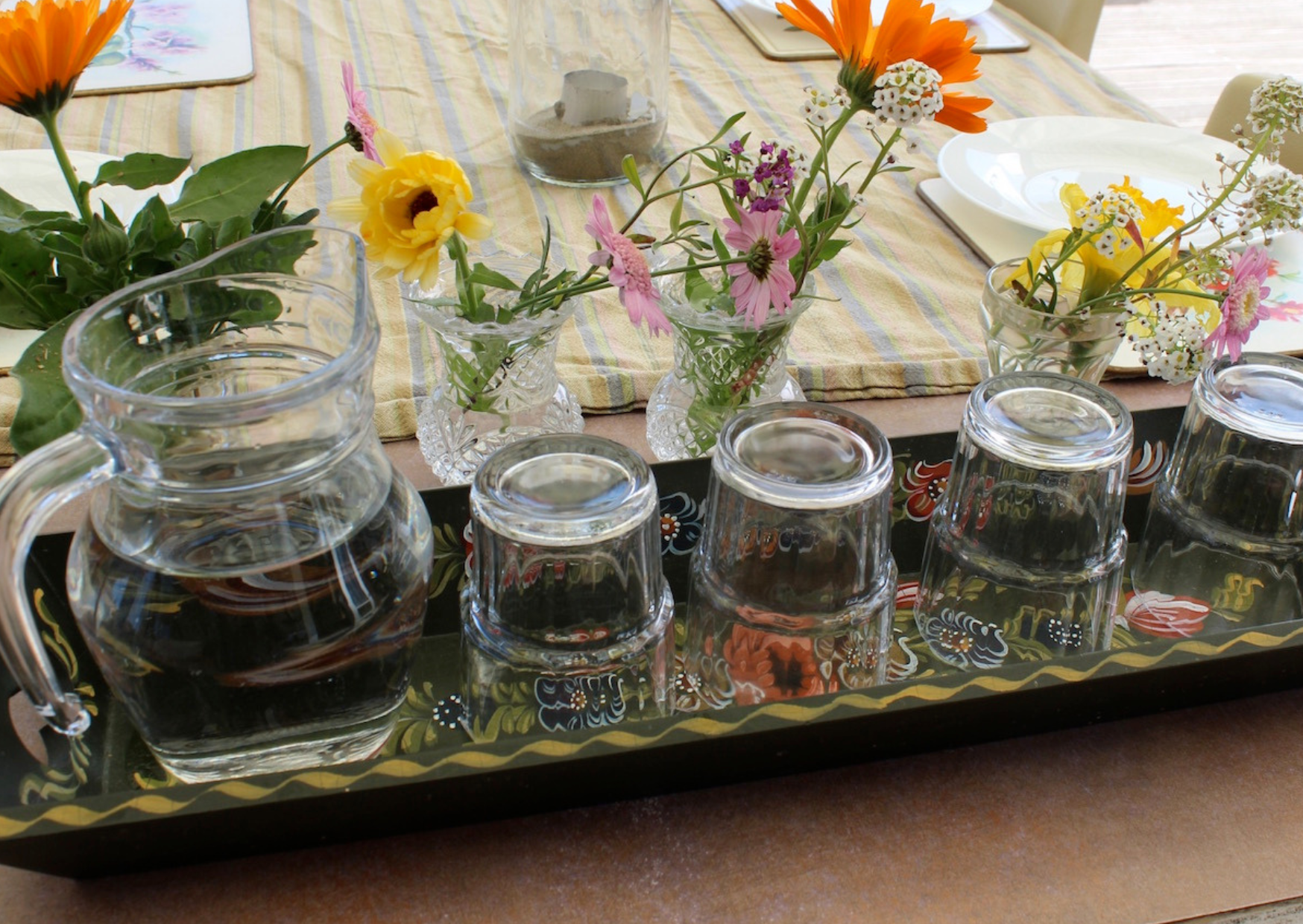
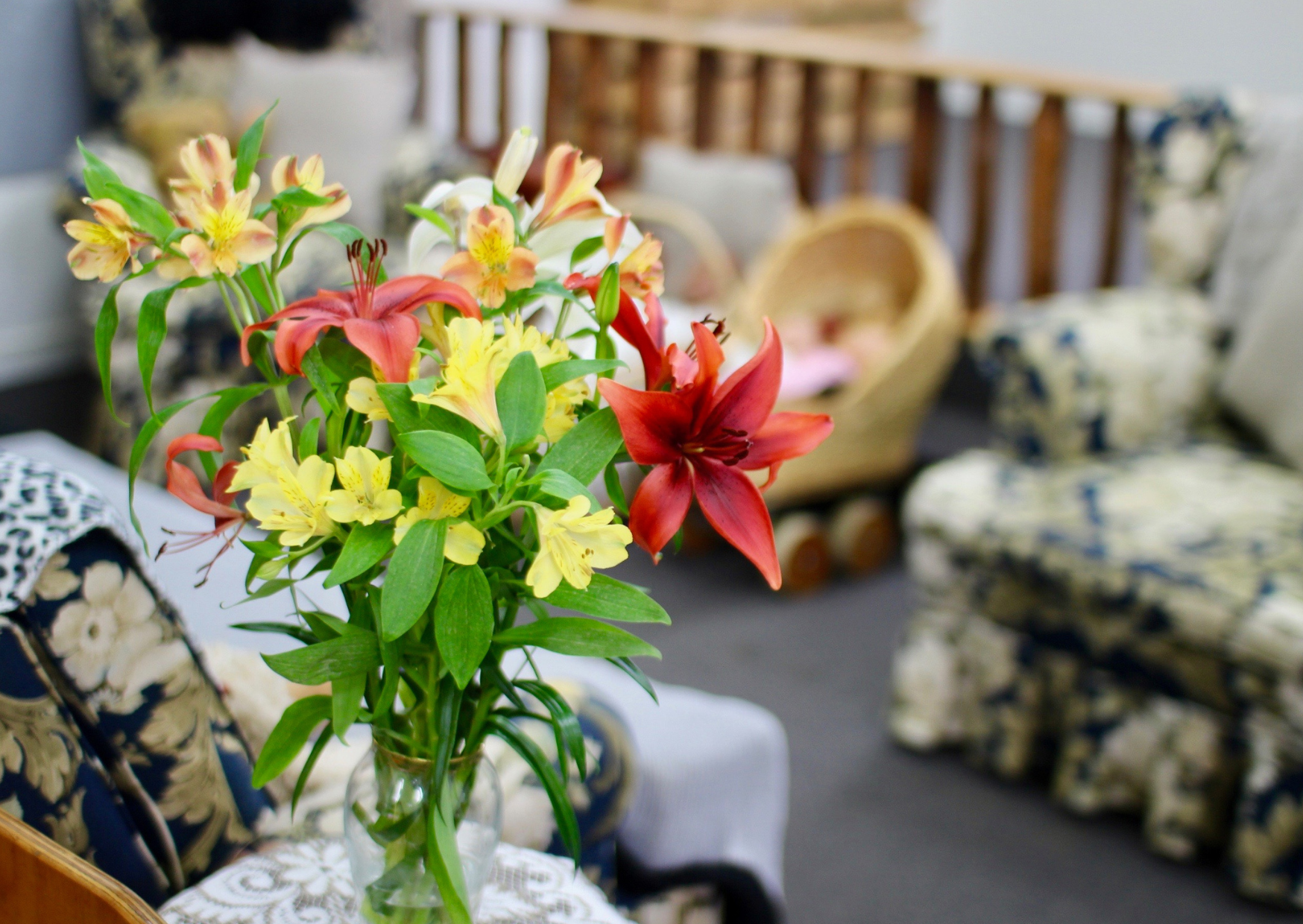
Yes, there are elements of physical beauty in our preparations — the carefully laid table, the candle lit with intention, the flowers arranged with care. But the true beauty runs deeper. It lives in what the child experiences: the warmth of being known, the comfort of the familiar, the sense of belonging. Security and relationship together form the most premium fuel a child can receive.
The Gateway to Play
Children enter 'play heaven' when they feel emotionally safe and secure. This is not a coincidence — it is a direct relationship. Once a child feels nurtured and cared for, comfortable in the known, they feel ready and safe to venture into the unknown. Rituals are the safety container from which that adventure launches.
We see this in children who know what is happening, and who play happily and wholeheartedly in the spaces between rituals — because these two things feed so naturally into one another. These children aren't constantly having to 'find their feet.' They aren't unsettled or on guard. They thrive in the sameness and security of familiar processes, and from that safe place, they spread their wings in play.
Rituals and rhythms give children the predictability to feel safe, and it is from this place that they launch fully into wonderfully rich, independent play. Emotional satisfaction comes first — and the play that follows is its natural expression.