If you’ve ever worked a day in early childhood, you know exactly how quickly things can ignite. One moment the room is calm; the next, two children are screaming over a toy truck, someone has sunk their teeth into an arm, another child is crying because the block tower collapsed, and you’re standing in the middle of what feels like emotional wildfire. These moments test us. They expose our patience, our presence, our values, and our humanity. But they’re also the moments that matter most, because conflict isn’t a sign that children are “acting out.” Conflict is a sign that children are learning.
We sometimes forget that social competence, self-regulation, turn-taking, empathy, resilience, and problem-solving aren’t automatically downloaded into a child when they turn three. They’re built, brick by brick, inside the messy, unscripted, emotionally intense moments we often wish would just stop happening. But the truth is blunt: hitting, biting, pushing, yelling, and emotional explosions are all developmentally normal. Not ideal. Not convenient. But absolutely normal. Children who are overwhelmed communicate through their bodies long before they can communicate through words. Their behaviour is communication, not defiance, and the EYLF v2.0 makes this clear: children’s wellbeing, safety, and sense of identity come from relationships built on attunement, trust, and responsiveness.
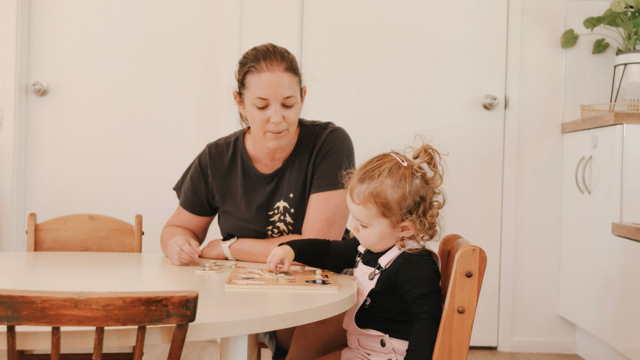
And this is where we come in - not as behaviour police, not as referees, but as co-regulators. When a child’s nervous system is firing in survival mode, they cannot learn, reason, or “listen.” Polyvagal Theory (Stephen Porges) explains that a child can only think once they feel safe. Safety doesn’t come from raised voices, punishment, or lectures. Safety comes from us, our steadiness, our calm, our tone, our body language, our choice to be the anchor rather than the storm. If we lose control of our own nervous system, we can’t possibly help a child regulate theirs. A dysregulated adult cannot regulate a dysregulated child.
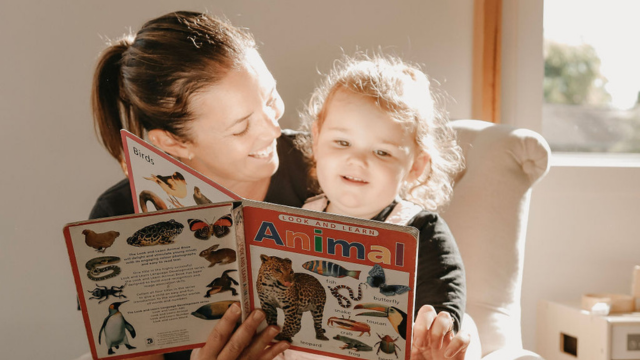
So the real work, the work that reveals who we are as educators, happens in the heat of conflict. It happens when a child bites and you resist the urge to react harshly. It happens when two children are screaming, and instead of demanding obedience, you lower your voice and kneel beside them. It happens when you give a child the words they don’t yet have, instead of punishing them for not having them. It happens when you step into chaos without adding to it. This is what the NQS calls Quality Area 5 - relationships that preserve dignity and guide learning. It’s also what sociocultural theorists like Vygotsky have been saying for decades: children learn emotional regulation through humans, not through punishment.
There is a transformative power in saying, “I’m here. I won’t let anyone get hurt.” It sends a message that even in their biggest feelings, the child is safe. And safety opens the door to learning. Instead of, “Stop hitting!” you might quietly say, “You’re angry. You wanted the truck. Let’s work this out together.” Instead of scolding a biter, you might calmly say, “I won’t let you bite. Your body is telling me it needs something to chew. Here’s something safe.” What we are really doing in these moments is teaching… teaching vocabulary, teaching conflict resolution, teaching self-awareness, teaching impulse control, teaching empathy. We are shaping neural pathways that children will rely on for decades.
Once the moment settles, repair becomes just as important as correction. Not shame. Not blame. Repair. “That was tough. You used my help to stay safe. Let’s check on our friend.” As Dan Siegel reminds us, emotional incidents become integrated when we help children understand both what happened and what they can do next time. This is how resilience is built: not through punishment, but through supported reflection. These conversations don’t just end the conflict; they strengthen the relationship, and strong relationships are the backbone of the EYLF, the NQS, and every evidence-based approach to guidance.
We can’t talk about behaviour without talking about the environment. If the same conflict keeps erupting around the same resource, the room might be telling you something: duplicate the item, change the layout, reduce the noise, create smaller play zones, add cosy corners, introduce visual cues, embed “heavy work” for children who seek sensory input. So much “behaviour” is actually environmental stress. And so much stress can be reduced by predictable routines, sensory balance, and thoughtful planning.
And then there’s family partnership. Families often feel anxious or embarrassed about biting or hitting, and our job is to meet them with understanding, professionalism, and clarity. When we explain what happened, how we responded, and what the plan is moving forward, we empower parents to feel part of the learning journey - a key expectation of both the EYLF and the National Principles for Child Safe Organisations. When home and service use consistent messages, children learn faster and feel more secure.
Here’s the reality: it's easy to be a great educator when the room is calm. It’s who we are in the intense moments, the real, raw, unfiltered moments, that defines our impact. Children learn self-regulation by watching us self-regulate. They learn compassion by experiencing compassion. They learn responsibility through gentle repair. They learn that relationships can bend without breaking. And they learn that being human, being emotional, being messy, being overwhelmed - is not something to be punished, but something to be supported.
This is powerful work. It’s emotional work. It’s transformative work. And if you are a teacher who shows up day after day, choosing calm over chaos, connection over control, and teaching over reacting, then you are doing the kind of work that shapes children for life. Because when you guide a child through the hardest moments with presence and dignity, you teach them the most important lesson they’ll ever learn:
“I can have big feelings… and still be safe, still be understood, and still be loved.”