There’s a quiet kind of magic that happens when we pause long enough to notice. The sparkle in a child’s eyes as sunlight dances through a jar of water. The hum of concentration as small hands balance stones, pour sand, or line up shells. The laughter that spills out when a puddle splashes higher than expected.
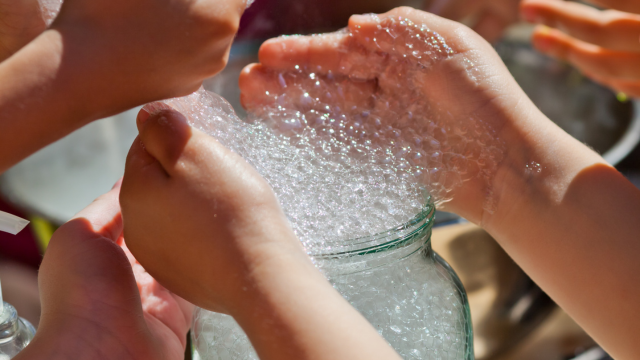
These are not moments we plan; they’re the ones that find us - the heartbeat of early learning itself. Within them lives the essence of the Curiosity Approach: a belief that wonder is the foundation of all learning.
This philosophy invites educators to slow down and rediscover the extraordinary in the ordinary. It reminds us that we don’t need more toys, more colour, or more “stuff.” What we need are richer moments - time to observe, to listen, and to allow curiosity to lead.
The Curiosity Approach aligns seamlessly with the Early Years Learning Framework V2.0, particularly with its Principles of high expectations and equity, respect for diversity, and ongoing learning and reflective practice. It embodies the image of the child as competent and capable, and of the educator as a co-learner who listens, notices, and nurtures.

The Environment as a Living Invitation
When you walk into a curiosity-inspired space, you can feel the calm. The lighting is soft, the atmosphere gentle, and every resource feels intentional - a teacup, a feather, a mirror catching the morning light. Nothing screams for attention, yet everything invites it.
In these environments, plastic gives way to purpose. Natural textures and real-life materials connect children to the world around them - wooden spoons, woven baskets, smooth stones, and weathered shells that tell stories of time and place. These are the “loose parts” that invite imagination and problem-solving, creativity and care.
The EYLF V2.0 reminds us that “environments support children’s wellbeing, foster a sense of belonging, and inspire engagement.” A curiosity-rich space does exactly that. It honours simplicity, authenticity, and sustainability. It encourages children to see beauty in the everyday and teaches respect for materials, for nature, and for each other.
It also strengthens children’s connection to Country and community. When we include natural elements, invite families to share artefacts, or integrate stories from local Aboriginal and Torres Strait Islander perspectives, we nurture a deeper sense of belonging. We acknowledge that curiosity and culture walk hand in hand.
The Educator as Co-Explorer
At the heart of this approach is not the room itself, but the people within it. Educators who live the Curiosity Approach see themselves as partners in discovery rather than directors of play. They step back just enough to let children take the lead, yet stay close enough to notice the small sparks that ignite learning.
Instead of giving answers, we ask open questions:
“I wonder what might happen if we try this…”
“What do you notice about that?”
“How could we find out?”
These simple phrases unlock thinking and transform the tone of learning. They show children that their ideas are valued and that curiosity is celebrated.
In this way, educators model the EYLF V2.0’s Practice of intentional teaching - where responsiveness, reflection, and genuine interest guide our interactions. We move beyond instruction to inspiration, creating a culture where questions are treasured as much as answers.
When children see us fascinated, when they watch us slow down, observe, and think aloud, they learn that curiosity doesn’t fade with age - it deepens.
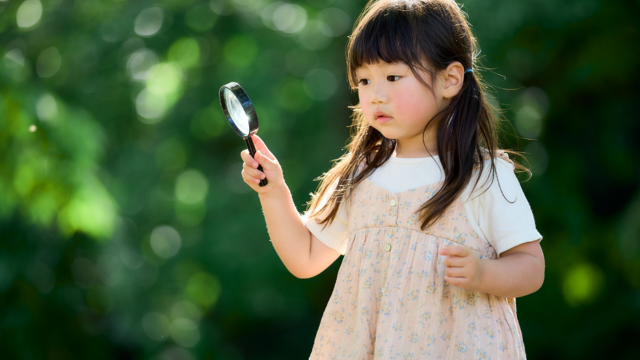
Curiosity Beyond the Aesthetic
The Curiosity Approach is often recognised by its natural colours and minimalist style, but its true essence lies far deeper. It is not a décor trend - it’s a way of being. It’s about stripping away clutter to make space for connection. It’s about tuning into rhythm - the slow hum of meaningful play, the flow of real exploration. It’s about valuing depth over decoration and authenticity over perfection.
In an early childhood world that can sometimes feel rushed or over-scheduled, curiosity offers an antidote. It slows us down. It reminds us that children don’t need constant stimulation to learn - they need space, safety, and time.
This mirrors Outcome 4 of the EYLF, where children “develop dispositions for learning such as curiosity, cooperation, confidence, creativity, commitment, enthusiasm, persistence, imagination, and reflexivity.” These are the foundations of lifelong learning - not checklists, but ways of being in the world.
A Sense of Place and Belonging
Curiosity flourishes when children feel connected - to people, to place, and to purpose. In Australian early learning, that connection begins with Country.
When children dig in the soil, listen to the magpies, or watch shadows move across the ground, they are not just exploring science or art - they are experiencing belonging. They are building relationships with the land and the stories it holds.
Embedding Aboriginal and Torres Strait Islander perspectives through storytelling, nature play, and respect for the environment strengthens that sense of belonging. It teaches children to see the world through multiple lenses, to appreciate its beauty, and to care for it. Curiosity, at its best, becomes an act of respect.
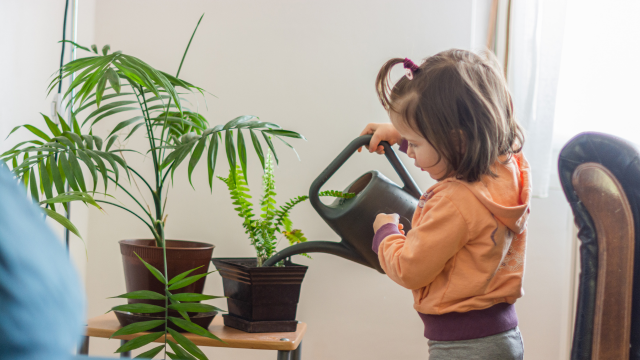
Rediscovering Ourselves
Perhaps the greatest transformation happens not in children, but in us.
The Curiosity Approach asks educators to slow down and reflect:
- Do I make room for wonder, or do I fill every moment?
- Do I offer time for deep play, or do I hurry on to the next task?
- Do I value the process as much as the product?
As we clear the clutter from our spaces, we often clear it from our minds. We rediscover joy - the joy of noticing, of listening, of being truly present. We begin to see teaching not as managing, but as mentoring; not as instruction, but as inspiration.
Sometimes, the most powerful teaching moments come when we stop trying to create them - when we allow curiosity to do the teaching for us.
In those moments, we are reminded why we chose this profession in the first place. Because learning, and I mean real learning, happens when we’re brave enough to be curious too.