


Live Webinar: How to have Difficult Conversations with Parents

Tidy-Up Time: From Chaos to Calm

Sep 23 / Angela Bush
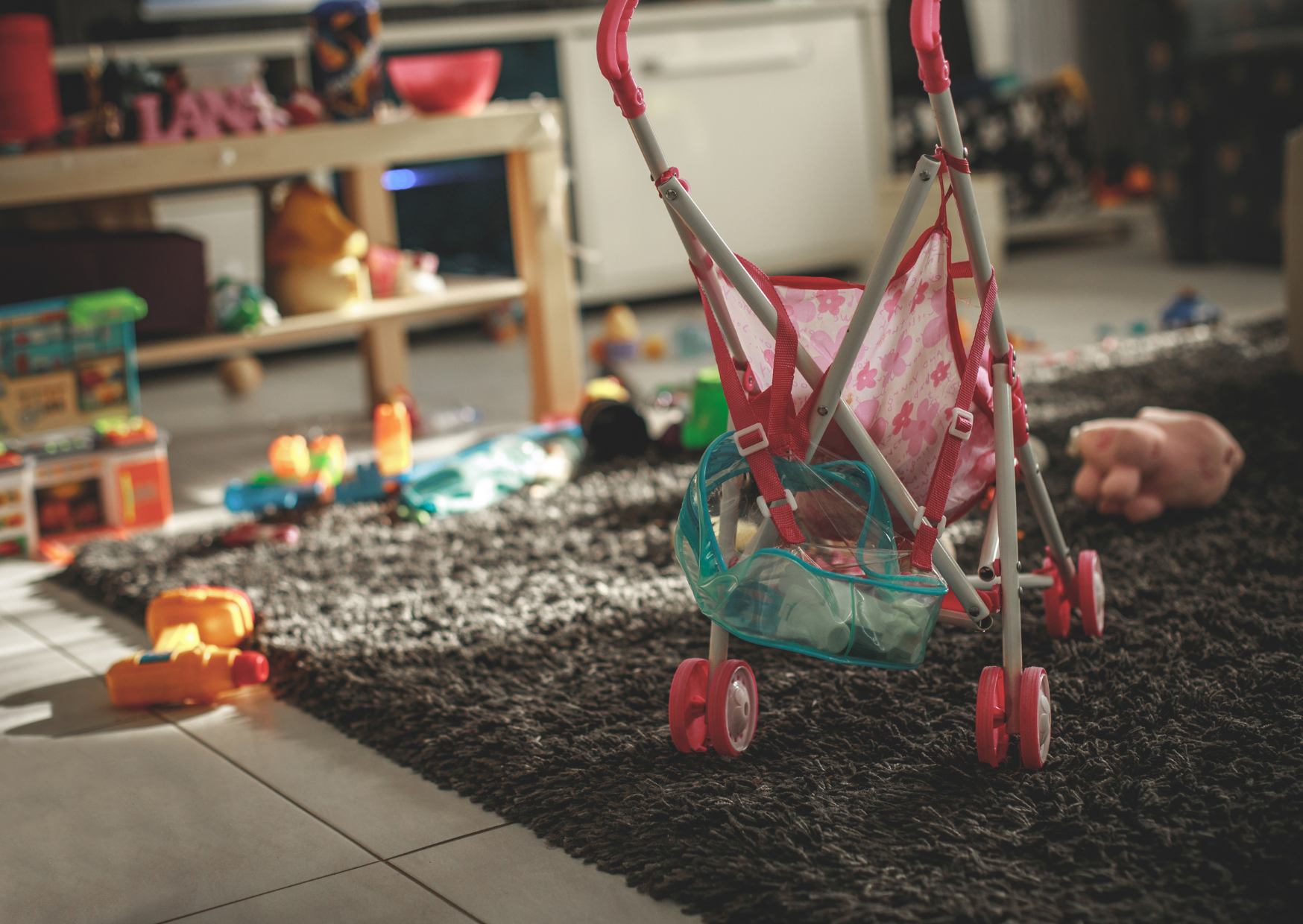
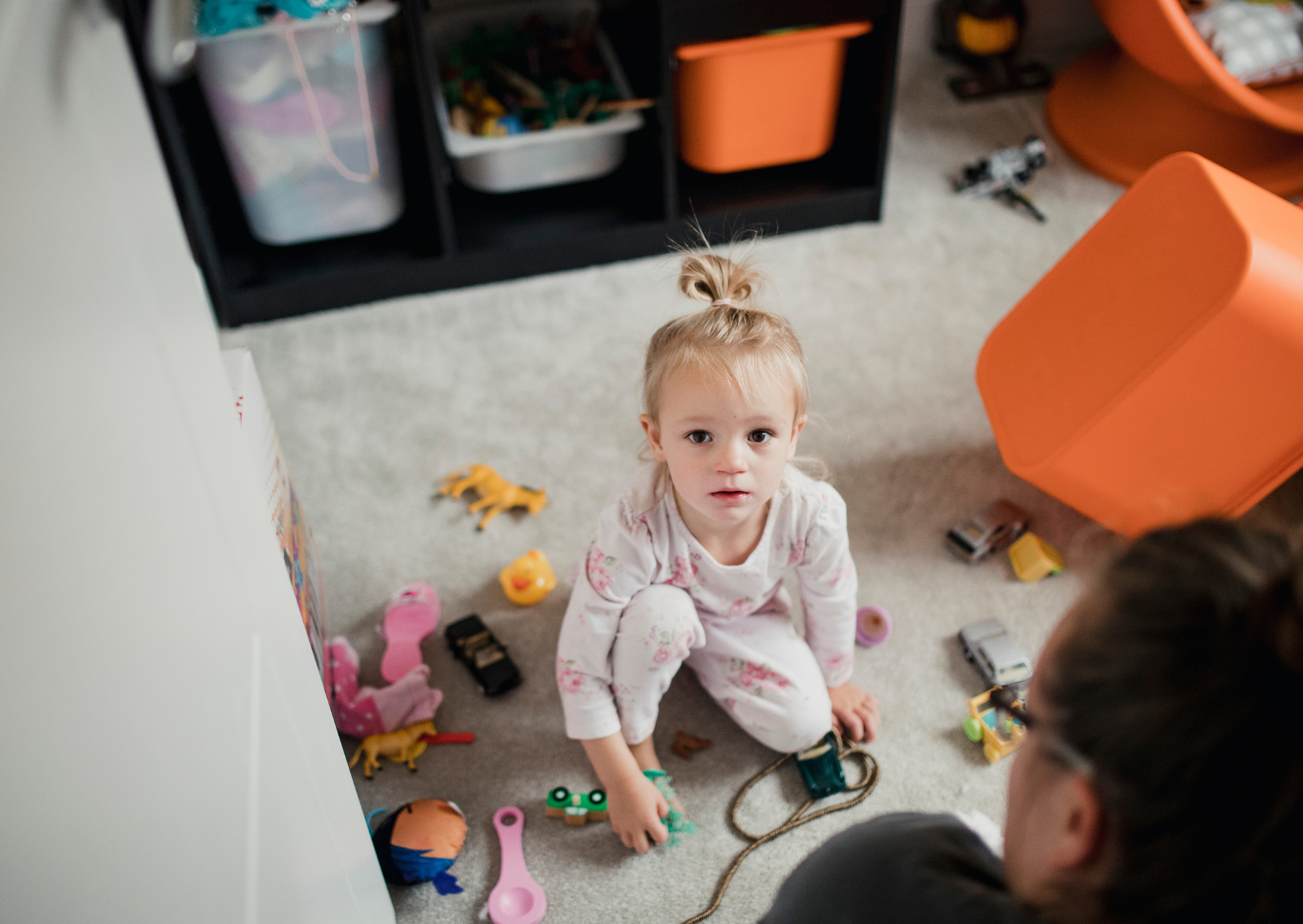
You know the moment. The tidy-up song starts, and instead of calm little helpers gliding into action, you get a small stampede, three arguments over who's carrying the basket, and one determined child who has decided this is exactly the moment to build a very important tower out of the blocks you're trying to pack away. Or, where two seconds ago you had no less than eight children hanging off your legs, suddenly you find the room has emptied faster than a box of chocolates.

Let's be honest, tidy-up time can be one of the loudest, most chaotic ten minutes of the whole day. And it's easy to walk away from it feeling like you've failed at "classroom management 101", when really, you've just hit one of the trickiest transitions in early childhood education.

Here's the good news: chaos at tidy-up time isn't a sign you're doing it wrong. It's usually a sign the transition needs a bit of scaffolding, not more shouting over the noise.
Why Tidy-Up Time Turns Into Chaos

Transitions ask a lot of children. They have to stop something they're deeply absorbed in, shift their attention, remember a whole set of steps, and do it alongside a room full of other small humans doing the exact same thing at the exact same time. Let’s also not forget about the developmental stages of each child, temperament of each child, who is tired, hungry or feeling anxious, and any overall motivation to take responsibility. No wonder it gets loud.

Add in real-world pressures: you're short-staffed today, lunch is running late, you didn’t sleep well last night, and it's no surprise tidy-up time can tip into chaos fast. This isn't about a lack of discipline. It's about a transition that needs a bit more structure to hold it steady.
Set the Scene Before You Say "Tidy Up"

The chaos often starts before the actual tidying does in that abrupt jump from "keep playing" to "stop now." A gentle heads-up changes everything. Try a two-minute warning, a visual timer, or a simple, "Soon it'll be time to pack away the blocks so we can go outside." You're not interrupting their play, you're giving them a moment to finish their thought before you ask them to let it go.
Turn It Into a Game, Not a Chore

Tidy-up time doesn't have to sound like a to-do list. A few tried-and-true shifts:

  • Give it a challenge. "Can we get all the blue toys home before the timer runs out?" turns tidying into a game, not a demand.
  • Assign real roles. "You're in charge of the puzzles today" gives a sense of ownership that a blanket "everyone tidy up" doesn't.
  • Sing it, don't shout it. A consistent tidy-up song or chant does a lot of the behavioural heavy lifting for you. It signals what's happening without a single instruction.
Give It a Rhythm They Can Feel Coming

Predictability is doing more for your calm tidy-up time than any one clever trick. When tidy-up happens the same way, in the same order, with the same cues, every single day, children stop needing to be told what to do, they just know. That's not about rigid rules. It's about building a rhythm so familiar it runs almost on its own.

“A quiet anchor in a busy transition isn't a stricter rule, it's a routine children can feel coming before you've said a word.”
When It Still Goes Sideways (Because Some Days It Will)

Some days, no amount of songs or timers will make tidy-up time smooth and that's not a reflection of your practice. Overtired groups, big changes to the day, or one child having a genuinely hard day can tip things over no matter what you do. On those days, it's okay to simplify: tidy up the essentials together, let the rest wait, and protect your own calm as much as theirs. You can't pour rhythm into the room if you're running on empty yourself.

Full stop: some tidy-up times are going to be a bit chaotic. That doesn't undo all the calm ones.
If behaviour and transitions like this are a recurring head-scratcher for your team, you don't have to figure it out alone at 9pm with a cup of tea and a Google search. Our behaviour guidance and transition webinars are ready whenever you need them, as part of your Members Club access: bite-sized, practical, and built for exactly this kind of everyday challenge.

Download this blog as a printable PDF

written by

Angela Bush

Founder - ECE Learning Unlimited
Bachelor of Education (ECE), Diploma of Nursing, Diploma of Teaching (ECE) 

Angela is a degree qualified and registered ECE teacher, multiple ECE centre owner, curriculum leader and business manager of ECE Learning Unlimited. She is also a registered nurse. 

With over thirty years in ECE and centre ownership, Angela has a wealth of experience and knowledge in successful ECE leadership and centre management. 

Over the years Angela has also had roles as a lecturer in ECE, nanny, teacher, and mentor. 

Learn more with ECELU

Webinars, courses and resources covering all areas of the ECE sector. Ready for you to start anytime from any device.